




Natural Gas Safety Information
PGW employees must be able to easily access your gas meter to perform meter readings, periodic safety checks, routine maintenance, and manage critical tasks in an emergency.
To help ensure that your meter functions properly, safely, and dependably, please follow these important tips:
If You Have an Indoor Gas Meter:
- Keep the area surrounding the meter clear of boxes, furniture, shelves, etc.
- Do not build walls or paneling that obstructs access to the meter.
- Do not place or install any heat source or electric equipment within 3 feet from the meter.
- Never hang or lean anything against a meter.
- Instruct children not to climb on, or play near, a meter.
- Do not tamper with your meter, or attempt to relocate, service, or maintain the meter yourself.
If You Have an Outdoor Gas Meter:
- Keep the meter clear of any landscaping that obstructs access or visibility. Trim shrubs and plants regularly.
- Do not build decking or fencing that blocks access to the meter.
- Do not place or install equipment that is source of electric ignition within one foot from the meter.
- Instruct children not to climb on or play near a meter.
- In the winter, carefully clear ice and snow from the meter as well as any appliance exhaust vents. Be sure to clean and repair leaky seams in your eaves, gutters, and downspouts to prevent melting snow and ice from dripping onto the meter.
- Never use a snow blower or plow around a meter. Shovel or sweep the immediate area carefully by hand.
- If the snowfall is deep, please clear a safe path to the meter.
- Do not tamper with your meter or attempt to relocate, service, or maintain the meter yourself.
Call PGW at 215-235-1212 immediately if you damage the meter or smell natural gas around the meter.
Natural gas appliance maintenance is the responsibility of each customer. Here are ways to properly care for your natural gas appliances for continued safety and efficiency:
What to Do:
- Have your gas appliances inspected regularly by a licensed professional at least once every year, or as often as the manufacturer recommends.
- Make sure your gas appliances have plenty of air around them so they can work properly.
- Check outdoor appliance vents year round. Snow, ice, bird nests, and debris can block openings and cause safety problems.
What Not to Do:
- Do not store rags, mops, paper, or other combustibles near any gas appliance.
- Do not store anything near a gas appliance that might interfere with appliance access or normal appliance airflow.
- Do not store or use flammable products in the same room or near any gas or heat-producing appliances. This includes gasoline, spray paints, solvents, insecticide, adhesives, insect foggers, varnish, cleaning products, and other pressurized containers.
- Do not cover appliance vent openings with mesh or netting.
Sign up for PGW’s Parts & Labor Appliance Protection Plan to protect your home’s gas appliances. For one low-cost annual payment, PGW will provide maintenance and repair service to your natural gas appliances, and there are never extra costs for parts or labor.
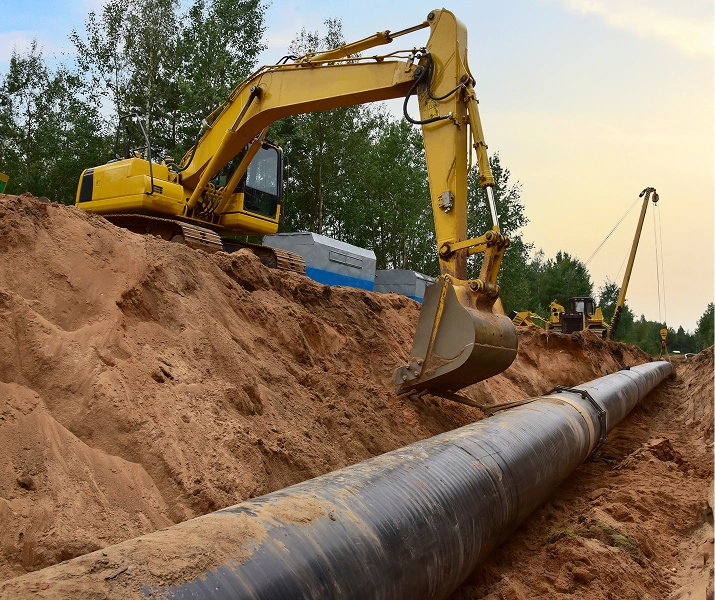
PGW is improving service safety and reliability with an aggressive Methane Reduction Program by replacing vintage gas mains and services with newer, safer alternatives to advance PGW's goal of reducing methane emissions by 80 percent by 2050.
- In 2020, PGW invested approximately $85 million to install more than 37 miles of new natural gas pipeline across the City of Philadelphia.
- By replacing mature cast-iron pipes – which over time can release methane due to age – with seamless, modern materials, PGW cuts its methane emissions every year by approximately 180 metric tons, equal to removing more than 1,000 cars from the road, or planting over 77,000 trees.
- PGW possesses and utilizes state-of-the-art leak survey and detection equipment that are methane specific, which allow PGW to detect methane at very low parts per million levels from a distance of up to 100 feet.
- This leak survey equipment is used in conjunction with the Sensit G2 combustible gas indicator to give PGW the capability to find and grade gas leaks as hazardous and non-hazardous on the spot.
The leak detection and management program utilized by PGW’s industry-trained and operator-qualified technicians strictly adheres to all guidelines and best practices put forth by the Pipeline and Hazardous Materials Safety Administration (PHMSA) of the U.S. Department of Transportation (DOT), the PA Public Utility Commission (PUC), and natural gas industry experts.
Check out PGW's pipeline improvement map to get a full view of PGW’s annual progress and planned improvements across the City of Philadelphia.
Carbon monoxide (CO) is a dangerous gas produced when heating or water heating systems are not working correctly and can cause sudden, severe sickness and even death. You cannot smell, taste or see CO; it is silent and can be deadly. To protect yourself and your loved ones:
- Have your appliances, chimney and flue serviced regularly by a qualified technician.
- Install a battery-operated CO detector in your home.
- Replace batteries in your CO detector twice a year.
- Replace your CO detector following the manufacturer's instructions or every 5 years.
- Never use an oven to heat your home.
- Never use a charcoal grill indoors.
- Never run a portable diesel or gasoline generator indoors.
If you suspect carbon monoxide poisoning, call 911 or emergency medical help immediately.
For more information visit http://www.cdc.gov/co/
Heavy rain can cause flooding at any time of the year. If your home or basement floods:
- Don't step in floodwater.
- Before you go into a flooded basement, call and ask PGW or the Philadelphia fire department to turn off your natural gas service. Call PECO to turn off your electricity.
- If you smell natural gas, leave immediately.
- Don't operate gas or electric appliances.
Call PGW’s 24-hour gas emergency hotline at (215) 235-1212 for help.
Some PGW customers have gas meters located inside their homes or businesses, usually in the basement.
The Pennsylvania Public Utility Commission (PUC) has established regulations (52 Pa. Code §59.18) designed to enhance gas safety by requiring that “meters and regulators must be located outside and above ground.”
Meter relocation enhances safety, access, and customer convenience. Outside meter locations allow PGW to shut off gas more quickly in the event of an emergency. In addition, PGW is required to periodically inspect and service customer meters; outside meter locations allow PGW to easily conduct this required routine service and inspection without inconveniencing customers.
If you received notification that your meter will be moved to an outside location and have questions, call us at 215-787- 4867. Please be prepared to provide your name, address and phone number.
Monday - Friday
7 a.m. to 3:30 p.m.
PGW is committed to safety, which includes planning and training for any situation that may arise.
PGW regularly tests the loud alarms at its Liquified Natural Gas facilities in Port Richmond and Passyunk. Different alarms mean different things, and each has its own testing schedule. Here’s what each one sounds like, what it means, and when it’s tested:
- General Alarm – Air siren for people inside the Plant. Thursdays at 12 p.m.
[Passyunk Alarm] [Port Richmond Alarm] - Plant Evacuation Alarm – Air siren for people inside the Plant. Thursdays at 12 p.m..
[Passyunk Alarm] [Port Richmond Alarm] - Civil Evacuation Alarm – Air siren for the surrounding community. First Friday of the month at 12 p.m.
[Passyunk Alarm] [Port Richmond Alarm]